Physical Therapy
Physical therapy (PT) is a healthcare specialty focusing on preventing, treating, and managing movement disorders and physical impairments. Our physical therapists at The Rock Physical Therapy are musculoskeletal experts who use different techniques and exercises to help patients improve their physical function and mobility, reduce pain, and prevent injury or disability.
Physical therapy is often prescribed as a treatment for a wide range of conditions, including musculoskeletal injuries, neurological disorders, sports injuries, chronic pain, and post-surgical rehabilitation. Depending on the individual’s needs and situation, PT sessions may involve manual therapy, strengthening exercises, mobility work, modalities (i.e., Class 4 Laser, electrical stimulation, heat or cold therapy), and other techniques.
Our physical therapists at The Rock use cutting-edge strategies to help patients regain their independence and improve their quality of life by restoring their physical abilities, reducing pain, and improving their overall health. Your therapy sessions are designed to meet your unique needs and goals.
At The Rock Physical Therapy, we emphasize addressing the root cause of your issues rather than just treating the symptoms. Our goal is to ensure you achieve lasting results.
Cupping
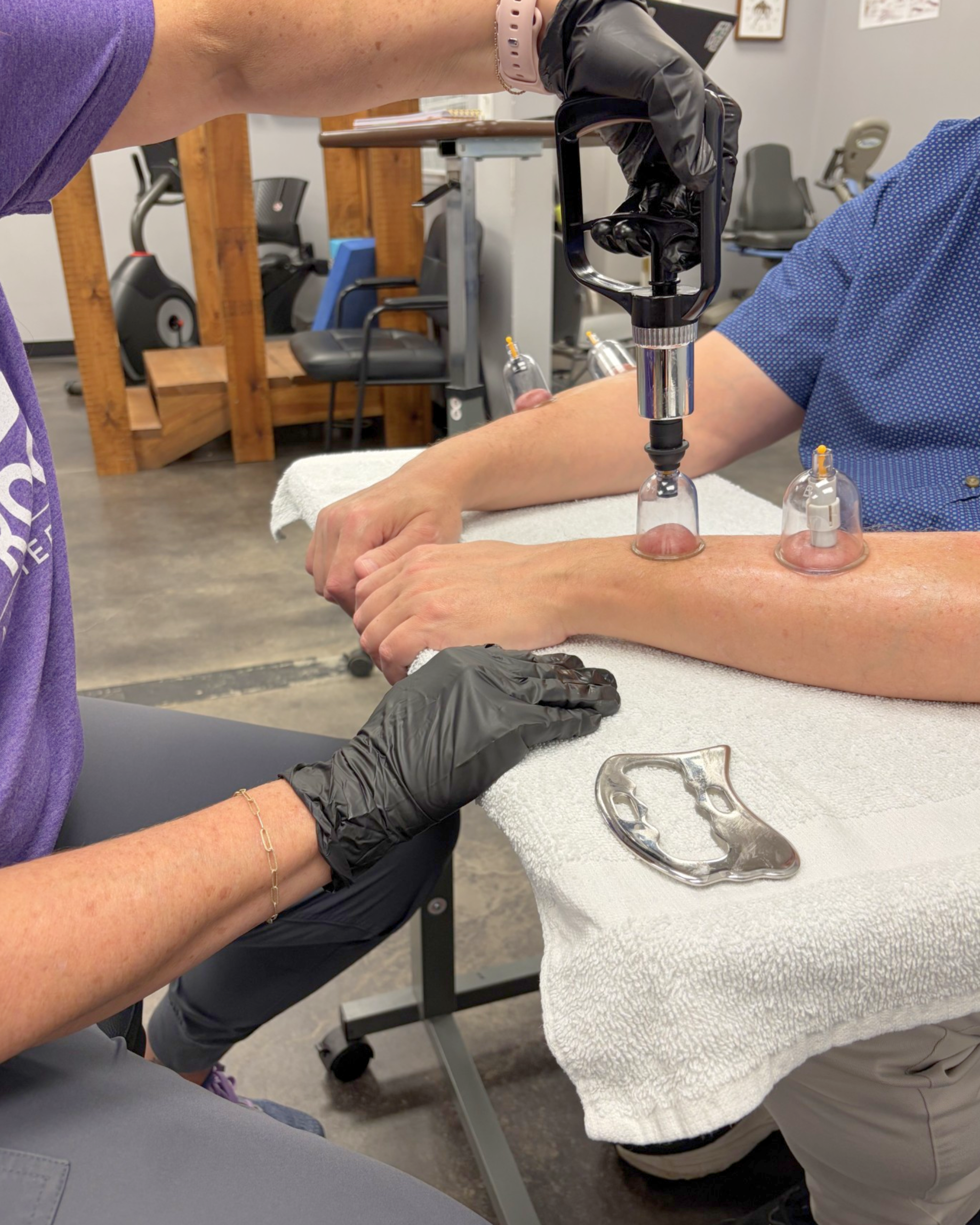
- Cupping helps to increase the blood flow to sore areas in muscles.
- It provides necessary nutrients to the area being treated and promotes healing.
- Cupping can provide pain relief and help ease the symptoms of many common disorders of the bones and muscles. It does this by exciting small nerves inside muscles so that they release pain-killing chemicals.
- Cupping Therapy can be very relaxing and help to reduce muscular restrictions, scars and adhesions, to decrease swelling, increase range of motion.
Kinesiotaping
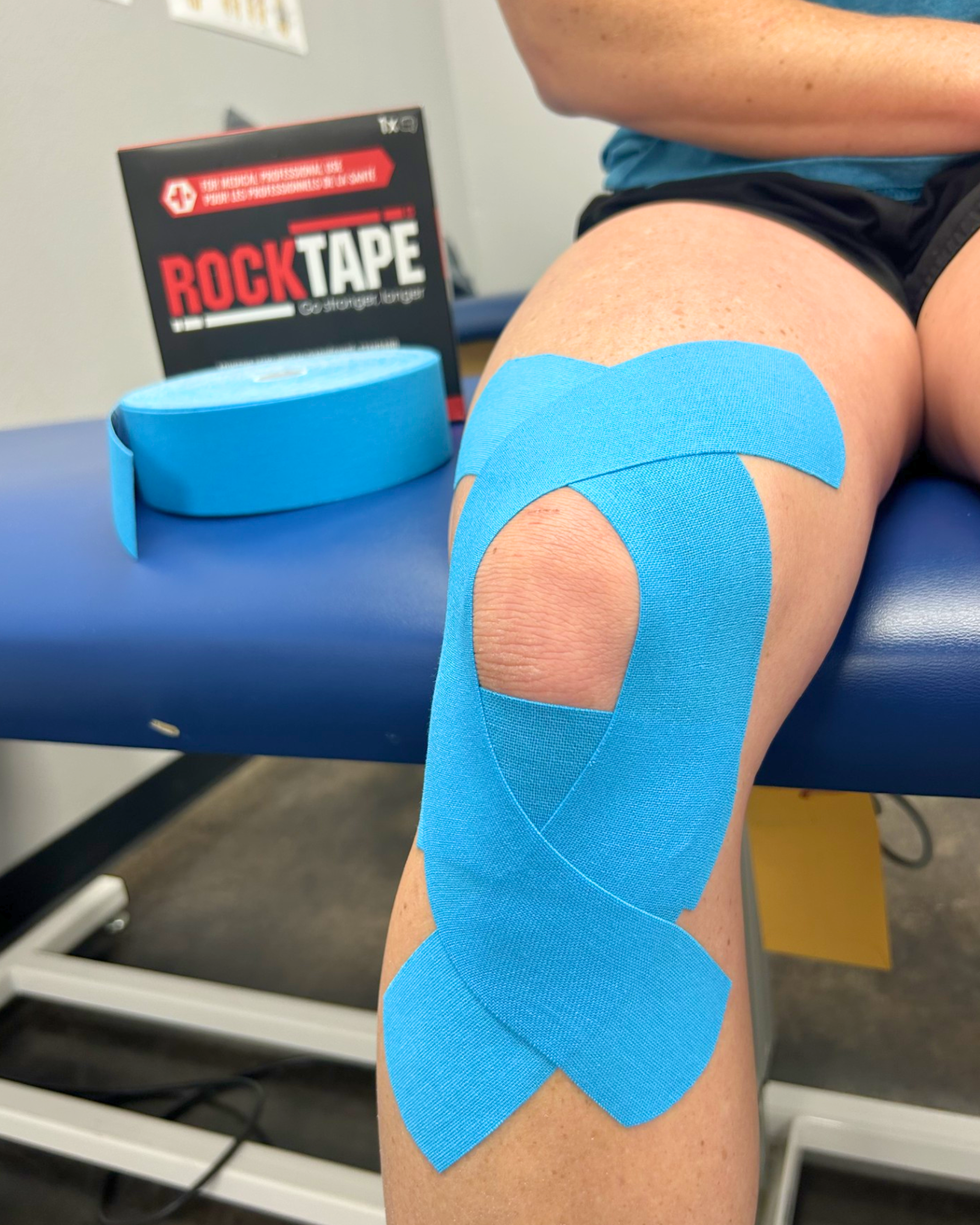
Kinesio taping is an exceptional therapeutic intervention backed by extensive research in treating a wide range of musculoskeletal and sports-related conditions. Common symptoms of conditions responsive to Kinesio taping encompass:
- Swelling and inflammation
- Muscle weakness or imbalance
- Joint instability or stiffness
- Chronic pain
- Limited range of motion
Kinesio taping functions by applying a specialized, elastic tape to the impacted area, which can:
- Lessen inflammation by gently lifting the skin and encouraging lymphatic drainage.
- Supply support and stability to muscles and joints without inhibiting movement.
- Boost proprioception, enhancing awareness of body position and motion.
- Relieve pain by alleviating pressure on sensitive nerve endings.
Countless scientific studies and peer-reviewed research underpin the effectiveness of Kinesio taping. It has been shown to facilitate pain relief significantly, joint range of motion, and muscle function for varied musculoskeletal conditions.
McKenzie Treatment Method
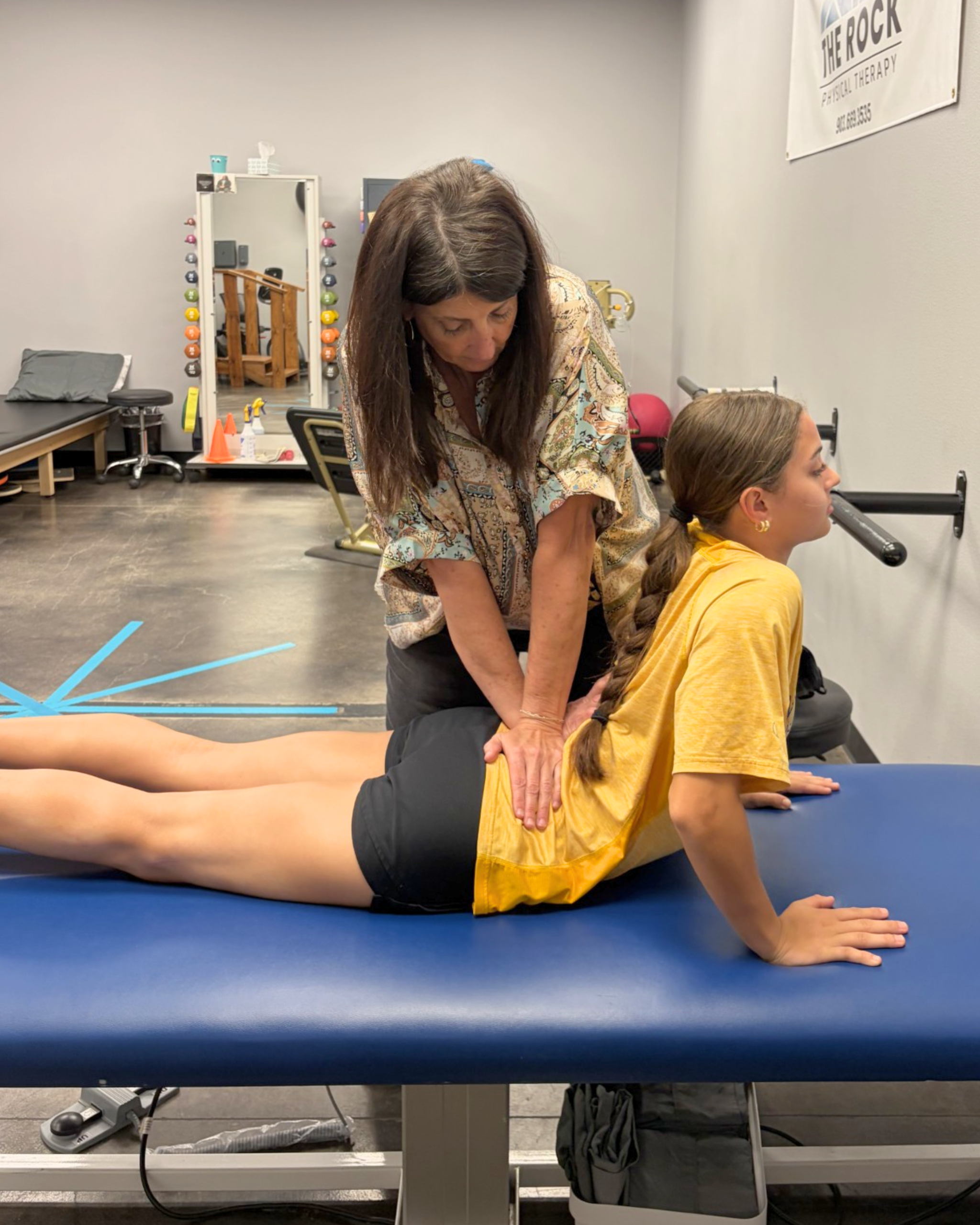
Are you struggling with back or neck pain and want a solution that empowers you to take control of your own healing? The McKenzie method could be exactly what you’re looking for. At The Rock Physical Therapy, our McKenzie-trained physical therapist, Carrie Hogue, can help you find solutions that work!
Noted physical therapist Robin McKenzie first developed the McKenzie Method in the 1980s. Since then, it has established itself as an effective means of assessing, diagnosing, and treating musculoskeletal issues, particularly those in the back and neck. A therapist trained in the McKenzie method will systematically determine the cause of your pain, then provide specific exercises to help you treat and prevent future episodes.
Manual Therapy
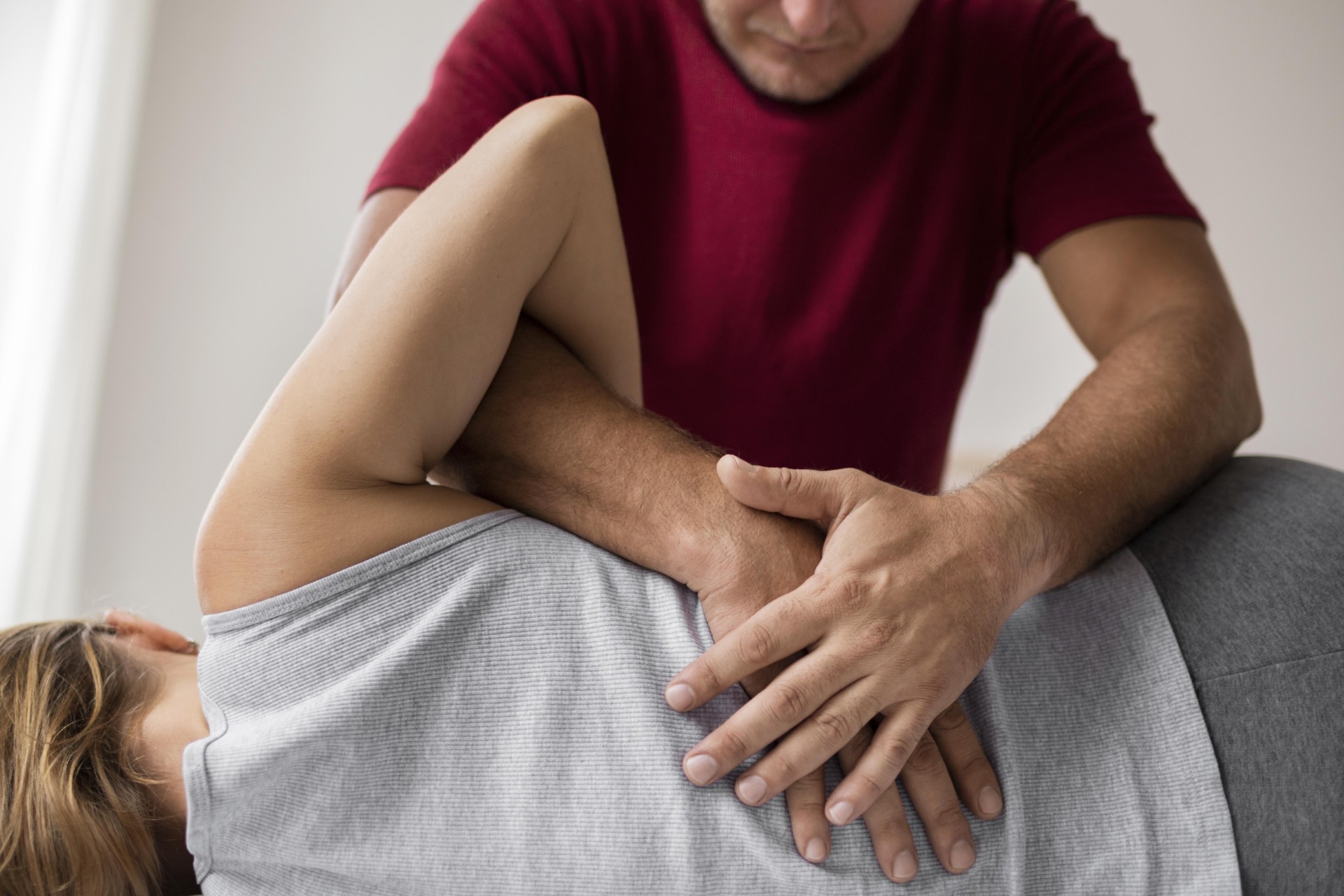
Manual therapy is a specialized approach within physical therapy that involves using hands-on techniques to assess, diagnose, and treat various musculoskeletal conditions. We use manual therapy, among other techniques, to help our patients restore their function, reduce pain, prevent injury, and promote overall well-being.
Key components of manual therapy include joint mobilization, soft tissue manipulation, and therapeutic exercises. These techniques help to relieve muscle tension, correct joint imbalances, and restore optimal movement patterns in patients with various injuries or disorders.
Manual therapy techniques are often used in conjunction with other physical therapy treatments, such as exercise, stretching, and strengthening, to help patients recover from injuries or manage chronic pain.
With a results-driven approach to patient care, our treatment plans can deliver effective results based on science-backed techniques and healing strategies. Whether you’ve had a recent injury, are suffering from symptoms of an underlying condition, or are unsure about the source of your pain, our physical therapists at The Rock Physical Therapy are here to help you safely recover and return to the activities you enjoy!
Manual therapy is a hands-on approach within physical therapy aimed at addressing musculoskeletal pain and dysfunction through skilled techniques. It involves direct manipulation of muscles, joints, and soft tissues to improve mobility, reduce pain, and enhance overall function. Techniques include:
- Soft Tissue Mobilization: Applying pressure to muscles to improve circulation and reduce muscle tension.
- Joint Mobilization: Gentle manipulation of joints to restore range of motion and alleviate pain.
- Manual Traction: Tension applied to joints or bones to correct alignment and reduce pain.
Research supports manual therapy’s effectiveness in treating conditions like back and neck pain, arthritis, and sports injuries by promoting healing and preventing future issues.
IASTM Techniques
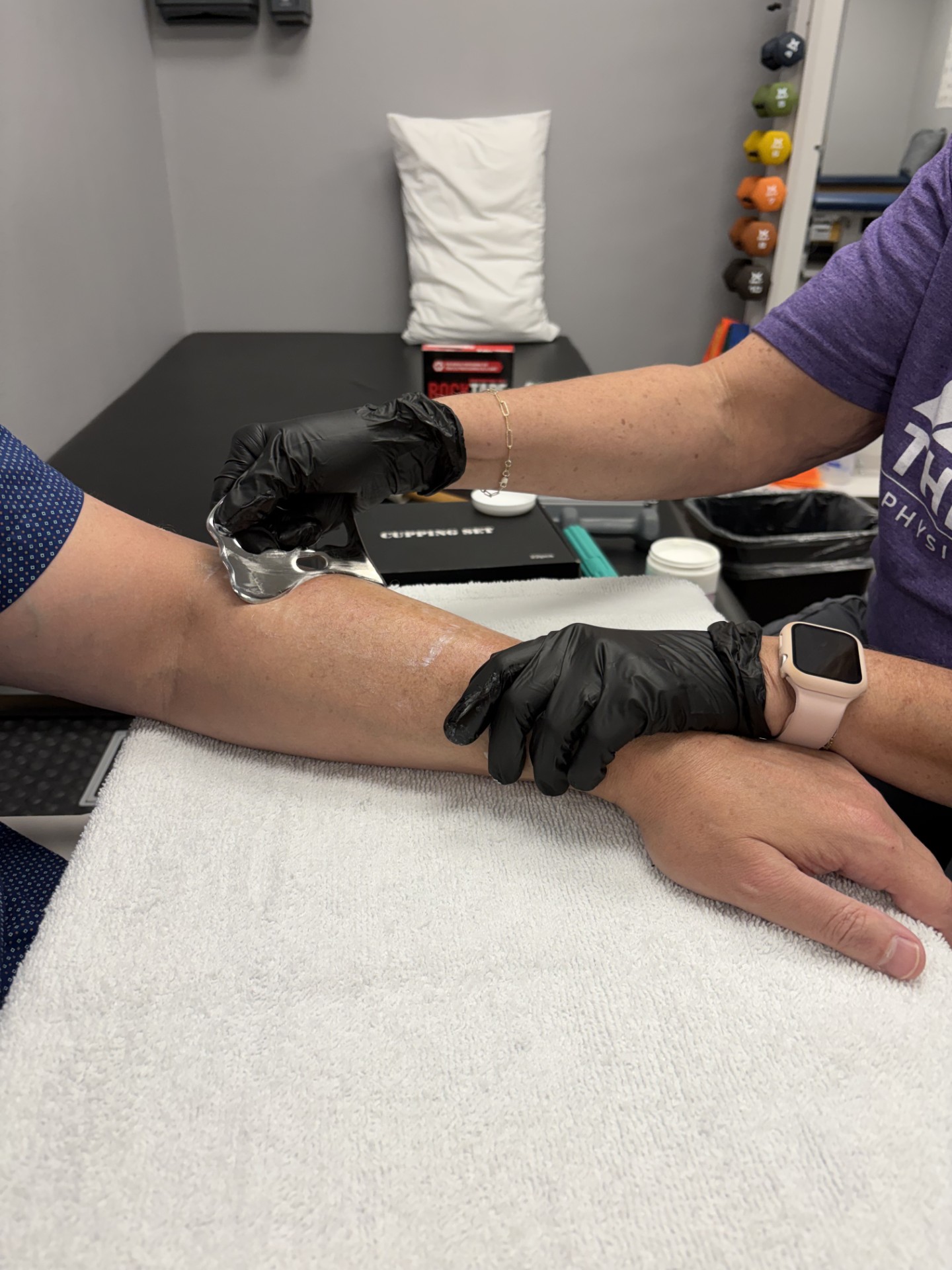
What is IASTM? Instrument-assisted soft tissue mobilization (IASTM) is a manual therapy approach that detects and treats soft tissue dysfunctions with specialized, stainless-steel tools. IASTM aims to increase mobility and alleviate pain in regions impacted by soft tissue constraints, such as the muscles, tendons, ligaments, fascia, and scar tissue.
IASTM works by breaking adhesions or scar tissue that might develop due to injury, chronic inflammation, or overuse. This technique is typically performed with other manual therapies, stretches, and exercise techniques.
There are many different IASTM techniques, such as The Graston, RockTape®, and HawkGrips®. IASTM has become widely recognized and used by many physical therapy practices, including our team at The Rock Physical Therapy.
We treat patients with an evidence-based, patient-centered approach. Our team of experienced physical therapists at The Rock Physical Therapy use instrument-assisted soft tissue mobilization techniques.
Blood Flow Restruction
Benefits of Blood Flow Restriction in Physical Therapy
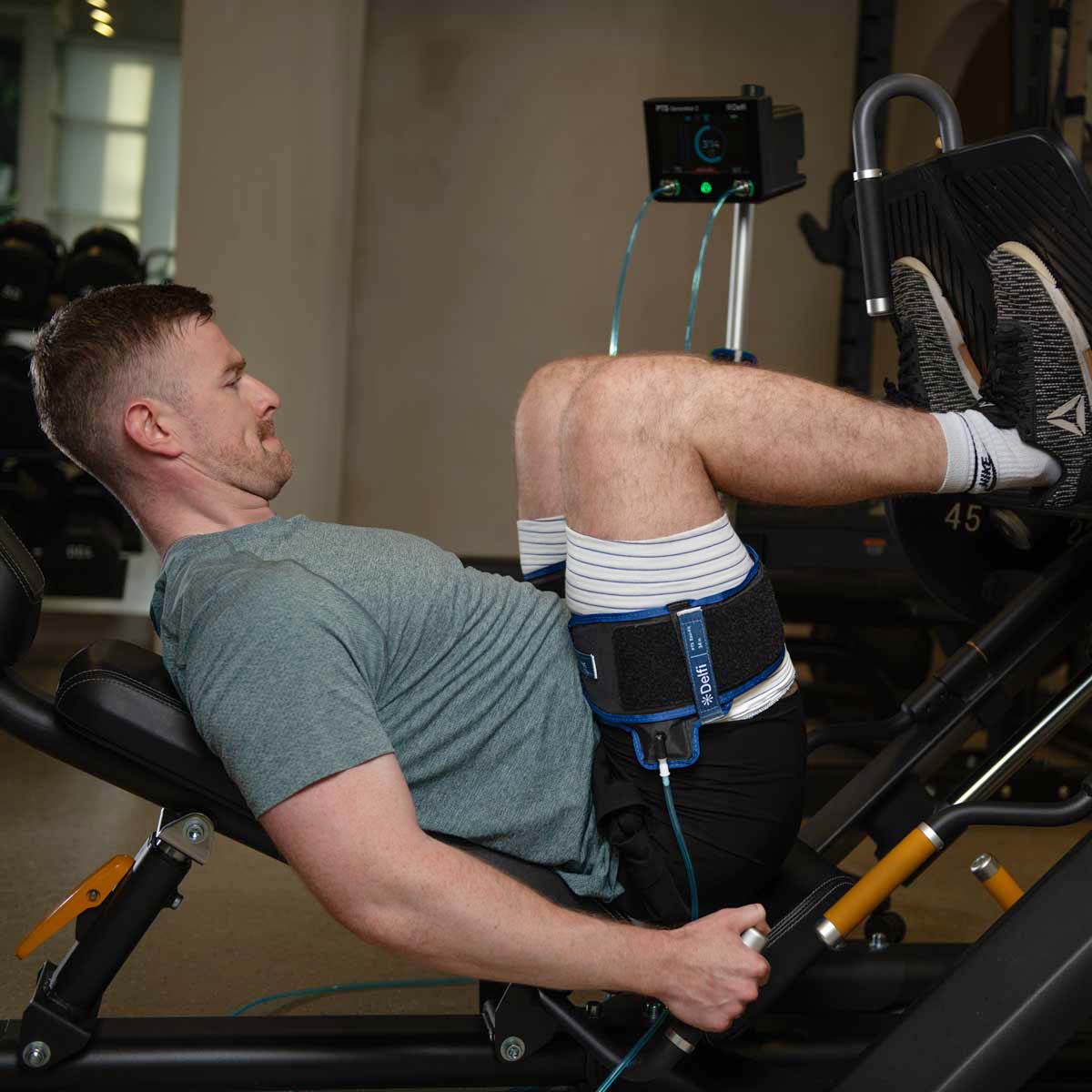
Are you primed to revolutionize your recovery and achieve new heights in your physical performance? Blood Flow Restriction (BFR) therapy is an avant-garde technique redefining physical therapy, offering astonishing benefits for patients aspiring for expedited recovery and enhanced performance.
BFR therapy employs a specialized cuff to the injured limb, restricting blood flow while exercising. This technique induces a local hypoxic environment, stimulating numerous physiological responses that facilitate muscle growth and tissue healing.
BFR therapy is safe, efficient, and beneficial for multiple patient demographics. This groundbreaking therapy has been particularly instrumental in addressing prevalent conditions such as muscle atrophy, post-operative rehabilitation, and sports injuries.
Muscle atrophy typically transpires due to disuse, aging, or neurological conditions, resulting in muscle weakness and diminished function. BFR therapy has demonstrated promise in boosting muscle growth and strength, even with low-intensity exercises, delivering a gentle yet potent approach to treatment.
Post-operative rehabilitation can be a challenging endeavor for patients, especially when it comes to reclaiming strength and mobility. BFR therapy allows for reduced exercise intensity, making it an ideal choice for those recuperating from surgery while still promoting healing and functional improvements.
Sports injuries are ubiquitous among both athletes and active individuals. BFR therapy provides a targeted approach to rehabilitation, enabling quicker recovery and return to activity while minimizing the risk of further injury.
Explore the healing potential of blood flow restriction therapy at The Rock Physical Therapy. Our expert team is committed to aiding you in unlocking the path to optimal wellness and performance.
Compression Therapy/Recovery
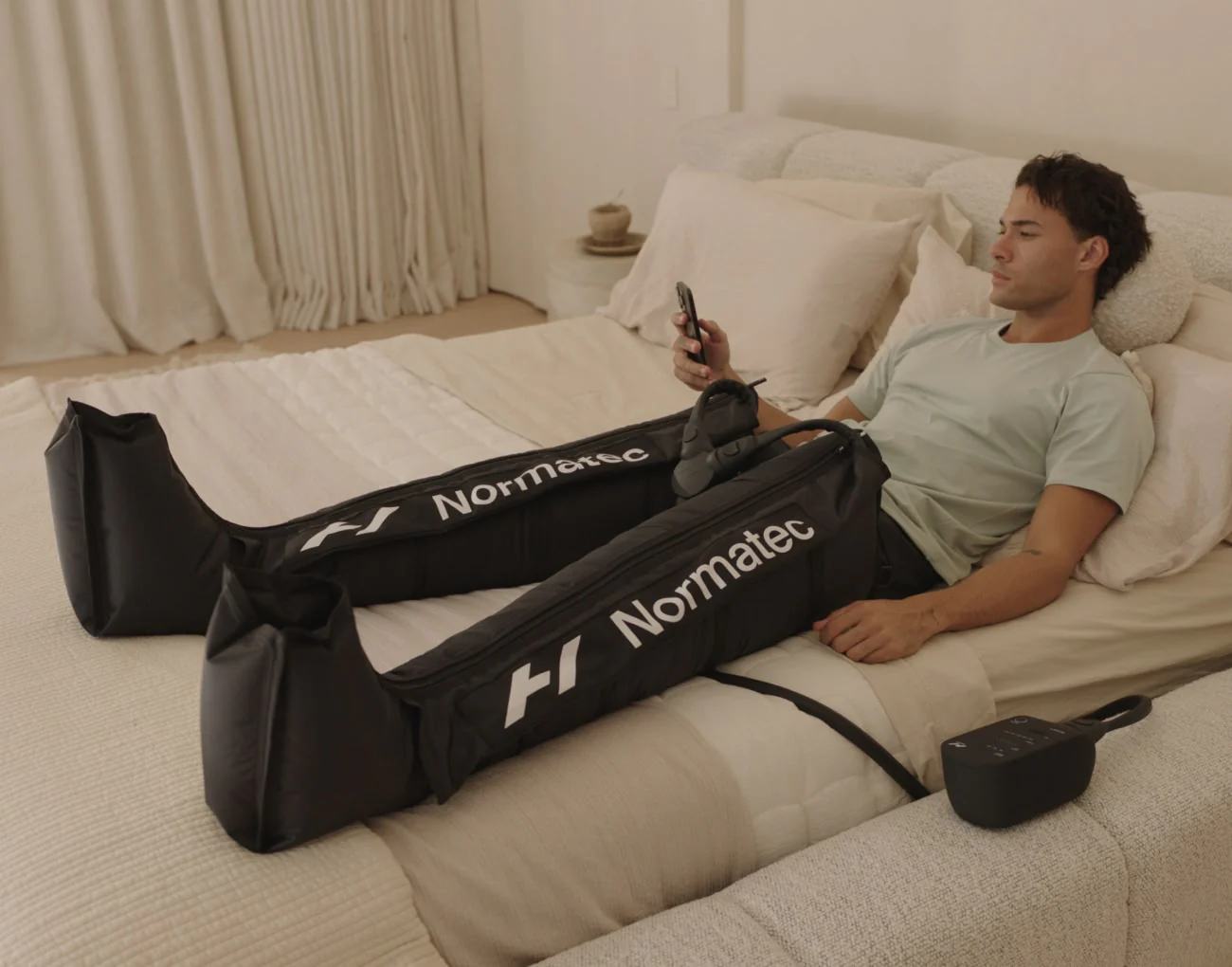
Recover Faster With Customizable Dynamic Compression System
Have you been experiencing swollen legs from traveling frequently or having to stand for long hours at work? Maybe you suffer from sore muscles and poor circulation, and you’re looking for a new method of long-lasting pain relief.
At The Rock Physical Therapy, we offer a fully customizable dynamic compression system for rehab and recovery.
Dry Needling
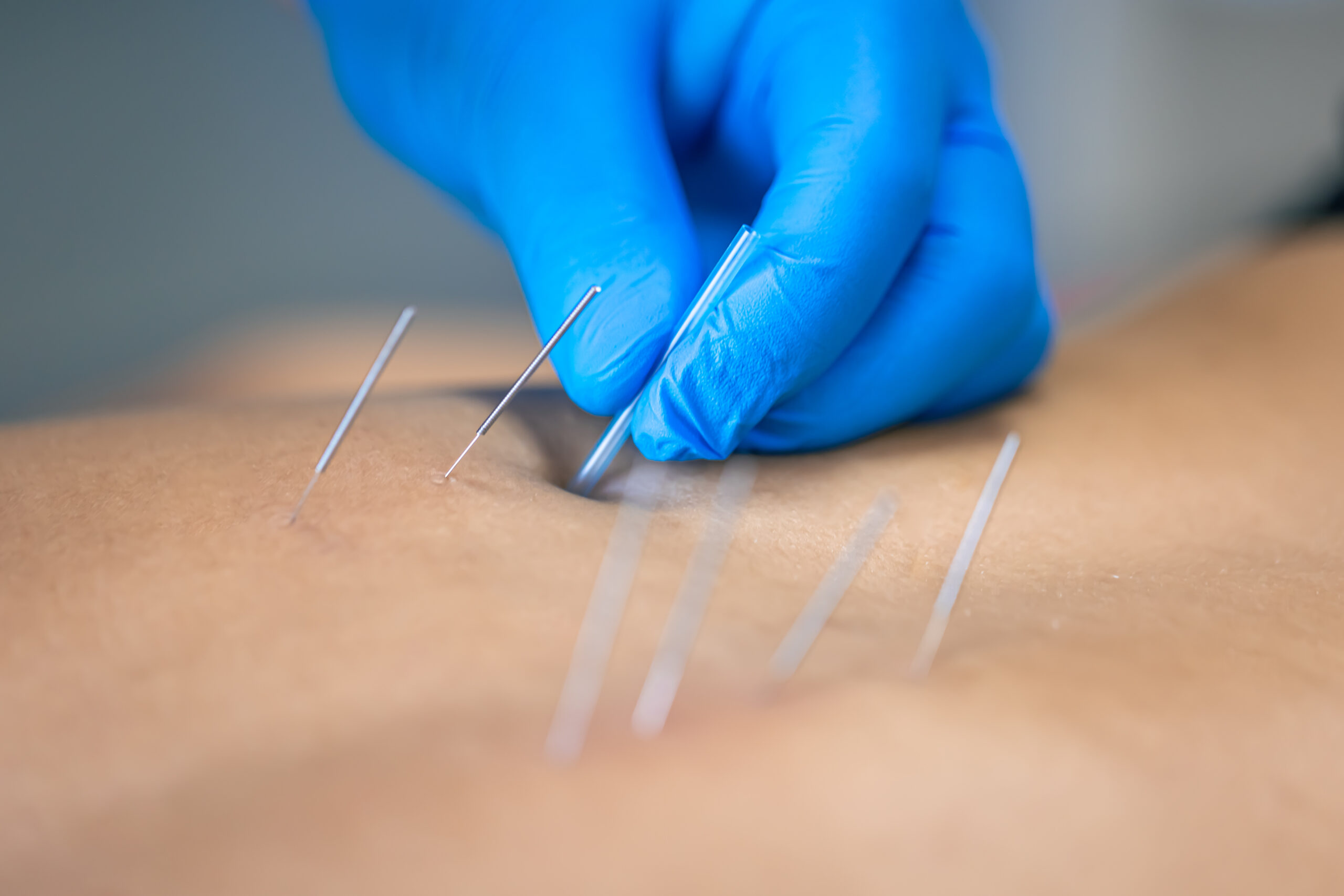
During a dry needling treatment, one or more thin, monofilament needles are inserted into a muscle trigger point. A trigger point is a local band of tight, irritable and dysfunctional muscle tissue. This often emerges because of injury, overuse or poor movement patterns.
Trigger points can disrupt your muscle function, restrict your range of motion or cause pain and tenderness. Physical therapists or licensed acupuncturists perform an in-depth evaluation to determine if dry needling is appropriate. Then they discuss your symptoms while assessing mobility and muscle function to determine if trigger points are contributing to symptoms.
When dry needling is applied to an affected muscle or trigger point, it can decrease muscle tightness, increase blood flow and reduce pain. Patients often report immediate relief after treatment. The needles remain in your muscle for a short period of time — between 10 seconds and 20 minutes — during treatment. This depends on the treatment location, number of needles used and treatment goals.
Dry needling usually is paired with exercise and other physical therapy techniques to prevent trigger points from reoccurring.
The needles used are solid and don’t inject liquid into your body. It’s the reason this treatment is referred to as “dry.” All forms of acupuncture use dry needles as well.
Dry needling is a safe technique for treating many musculoskeletal conditions, including shoulder pain, rotator cuff pain, biceps tendinitis, iliotibial band syndrome, Achilles tendinitis, low back pain, tennis elbow, whiplash or neck pain, headaches, muscle strains, hip pain and temporomandibular pain, also called TMJ.
Dry needling is performed by physical therapists who have obtained additional training and certification. Most people report minor or no discomfort during treatment.
Summus Medical Laser
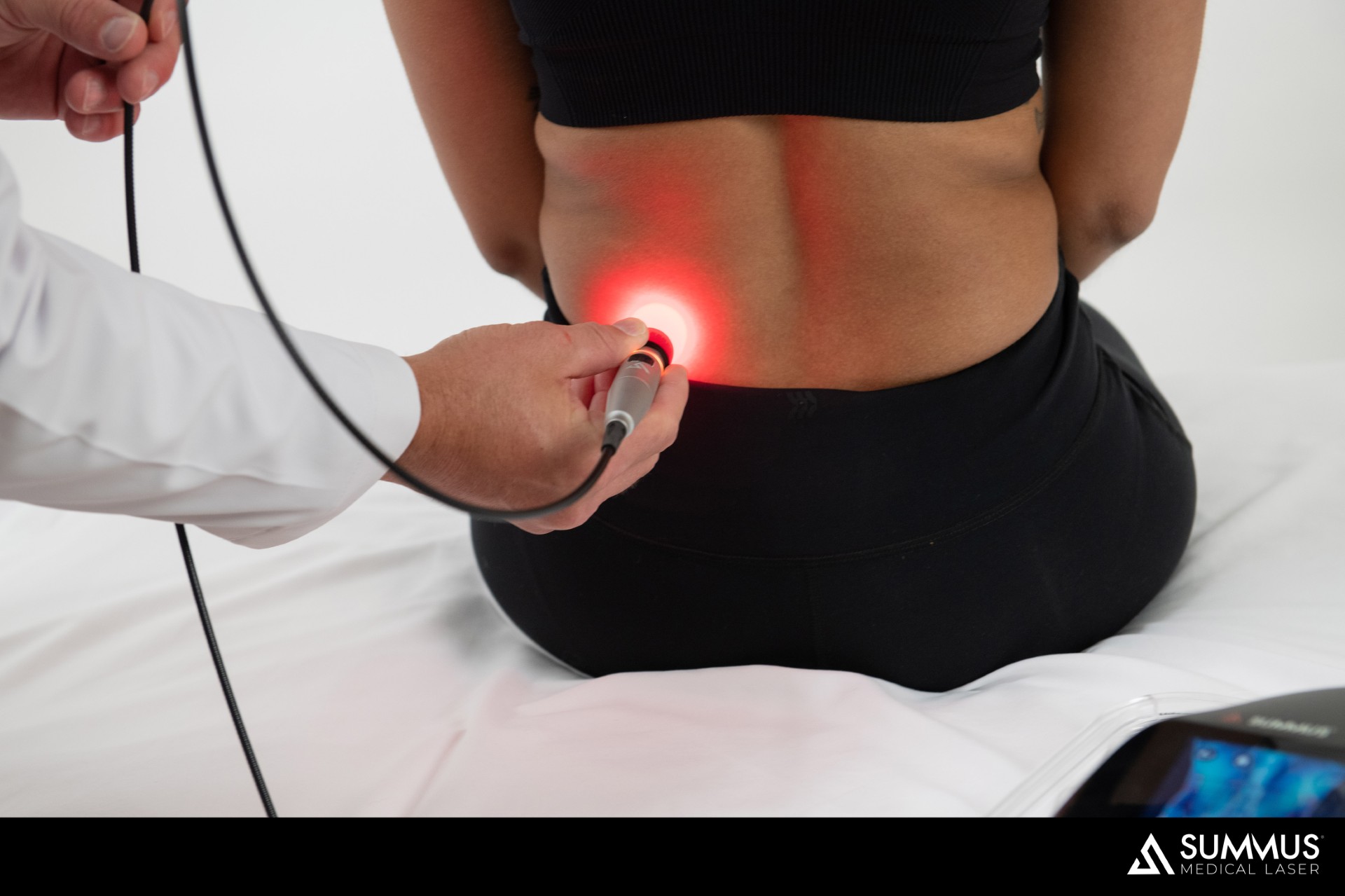
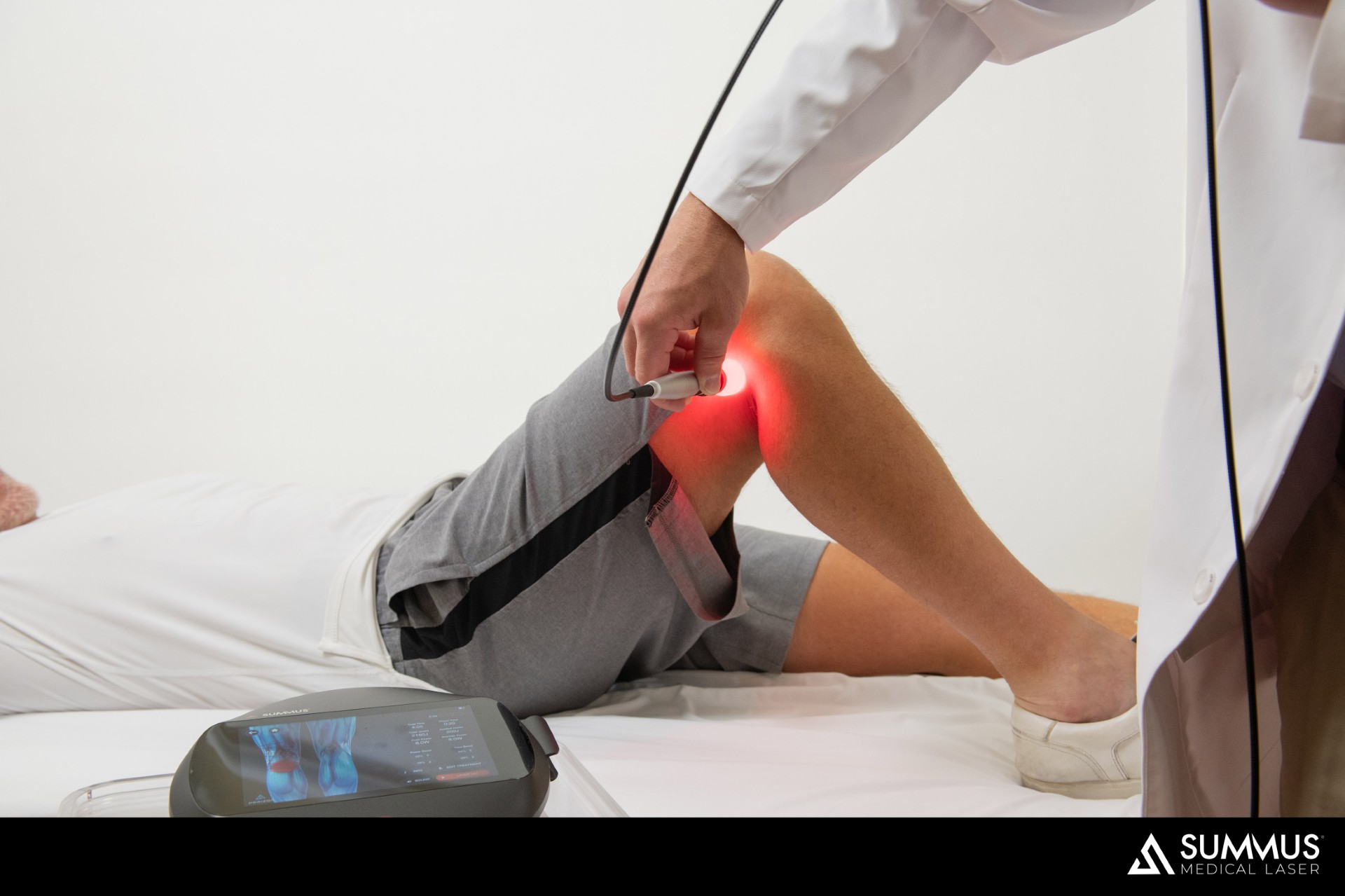
Summus Medical Laser offers high-power Class IV lasers (up to 60W) that provide non-invasive, drug-free, and pain-free treatment to accelerate healing and reduce inflammation.
Utilizing red and near-infrared wavelengths, these devices penetrate deep into the tissue to treat chronic pain, sports injuries, and post-surgical recovery, often within 5-15 minute sessions.
Summus Medical Laser is used to treat a variety of conditions
Pain & Inflammation including joint pain (knees, shoulders, hips), muscle strains and sprains, tendonitis, bursitis, Arthritis-related pain, and nerve pain (neuropathy).
Soft tissue and wound healing including cuts, ulcers, burns, and surgical wounds, post-surgical recovery, tendon and ligament injuries, sports injuries and soft tissue repaid.
Vascular and circulatory including poor circulation-related issues, edema or swelling, stimulating blood flow for healing.